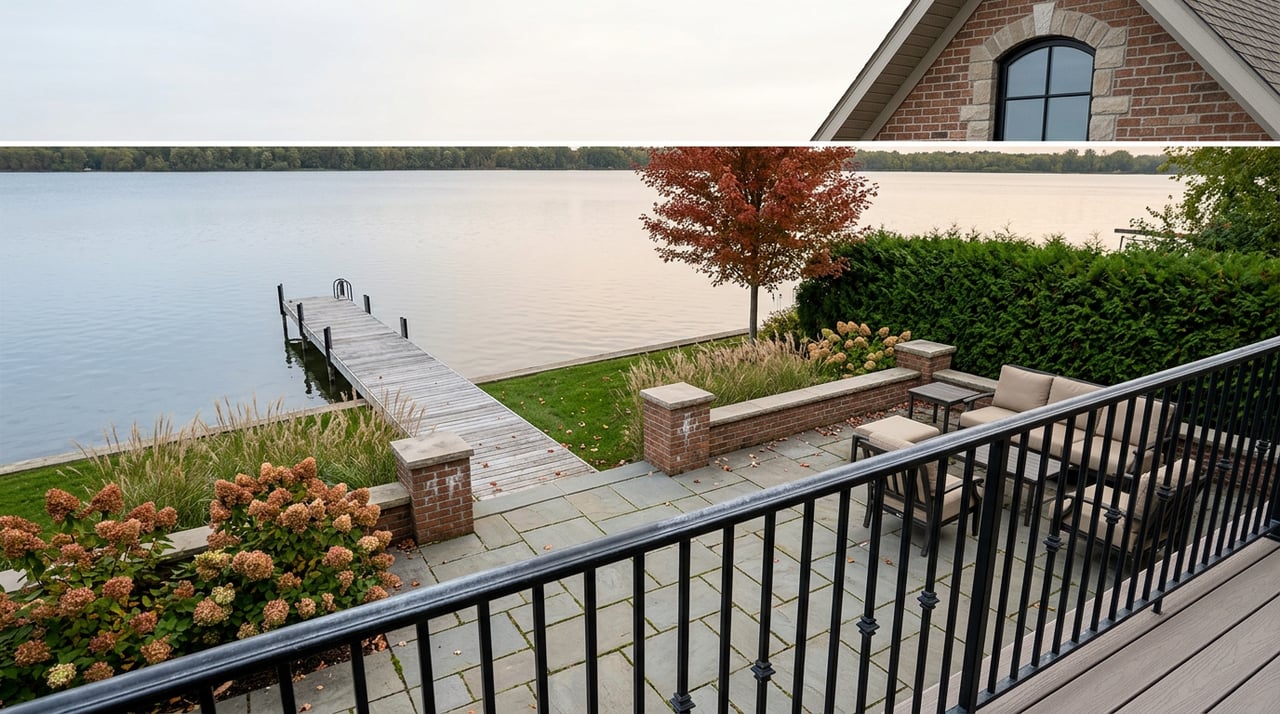
Buying in Grand Haven or Spring Lake can feel exciting right up until the final stretch gets complicated. Once your offer is accepted, the process starts moving quickly, and waterfront details can add a few extra layers to review. If you want to know what happens next, what to watch for, and how to avoid last-minute surprises, this guide will walk you through the key closing steps with confidence. Let’s dive in.
Start With Inspection and Due Diligence
One of your first priorities after an accepted offer is scheduling the home inspection. According to the Consumer Financial Protection Bureau, a home inspection is different from an appraisal, and buyers generally need both during the closing process. If your contract includes an inspection contingency, a satisfactory inspection can be an important part of protecting your position.
This step matters even more if you are buying near the water in Grand Haven or Spring Lake. Exterior components, moisture exposure, and site conditions may all deserve closer attention. If repairs are needed, some loan programs may require them to be completed before closing or may require funds to be set aside after closing.
Review Well and Septic Requirements
If the property has a private well or septic system, Ottawa County has specific rules that can affect your timeline. The county states that permits are required for new and repair private wells and septic systems, and its real-estate transfer evaluation program requires a septic system and-or water supply evaluation before ownership transfers. You can review those requirements on the Ottawa County well and septic page.
If you are buying a waterfront or more rural property, do not assume these items will work like city utilities. Ottawa County also notes that private well owners are responsible for monitoring water quality. That makes early due diligence especially important if you want a smoother path to closing.
Check Flood Risk Early
Flood risk is another issue worth reviewing early, especially for waterfront homes or homes near waterways. FEMA allows buyers to look up flood risk by address, and in high-risk areas, most mortgage lenders will require flood insurance. Even if a home does not appear to sit right on the waterline, flood review is still a smart part of your closing preparation.
Move Through Loan and Appraisal Steps
After inspection, your financing moves into underwriting, and the lender typically orders a valuation, often an appraisal. The CFPB explains that valuations compare the home with similar sales in the area, and those results help support the lender’s decision. This is one of the most important milestones between accepted offer and closing day.
If the appraisal comes in lower than your contract price, that does not always mean the deal is over. The CFPB notes that buyers may need to renegotiate or review the appraisal carefully when values come in below the agreed price. In a market like Spring Lake or Grand Haven, that conversation can be especially important when a property has unique features.
Why Waterfront Appraisals Can Be Tricky
Waterfront and lake-area homes are not always easy to compare. Fannie Mae says appraisers should use comparable sales with similar physical and legal characteristics and use sales from the subject property’s market area when possible. Its guidance also requires at least three settled comparable sales in the sales-comparison approach, which you can read in the Fannie Mae comparable sales guidance.
The challenge is that unique homes often have fewer close matches. The Federal Housing Finance Agency notes that unique property characteristics affect the number and variety of comparable properties used in appraisal reports. For buyers in Grand Haven and Spring Lake, that can mean a broader comp search and more explanation in the appraisal report than you might see with a more typical home.
Review Title and Closing Services
As closing gets closer, title work and settlement services move into focus. The CFPB says buyers can often shop for title insurance and other closing services. It also explains that owner’s title insurance is optional, but it can help protect your investment.
This part of the process helps confirm the property can be transferred to you as expected. It is also a good time to ask questions about title commitments, recorded items, or anything that may affect how you plan to use the property after closing.
Ask About Docks, Shoreline, and Water Access
If you are buying on or near the water, title review is only part of the picture. You should also confirm what structures and improvements exist now and what permits may be needed later. The Michigan Department of Environment, Great Lakes, and Energy says permits are required for certain inland lakes and streams projects, and Great Lakes bottomlands work involving docks, boat lifts, and seawalls may also require approvals through the joint application process.
That matters if the property includes existing waterfront features or if you hope to make changes after closing. Knowing this before the transaction is complete can help you set realistic expectations for timing, costs, and future plans.
Use the Three-Day Review Window
One of the most important consumer protections in the closing process is the three-business-day review period for your Closing Disclosure. By law, the Closing Disclosure must be delivered at least three business days before closing. The CFPB recommends using that time to review your closing documents carefully, compare the Closing Disclosure with your Loan Estimate, and check your final fees.
This is not a formality. It is your chance to slow down and verify that the numbers, loan terms, and credits match what you expect. Some fees cannot increase unless the loan itself changes, while others have limits, so it is worth reading closely.
Compare These Final Details
During your review window, focus on a few practical items:
- Loan amount, interest rate, and monthly payment
- Cash needed to close
- Seller credits or negotiated repair credits
- Escrow setup for taxes and insurance
- Title charges and other closing fees
- Names, legal description, and property address
If anything looks different than expected, ask about it right away. It is much easier to fix a question before signing than after closing.
Prepare for Closing Day
Closing day is usually straightforward when the earlier steps have been handled well. The CFPB recommends bringing identification and proof of funds and being very cautious with wire instructions. Its mortgage closing checklist warns that mortgage-closing scams often involve fake last-minute emails with fraudulent wiring changes.
The safest move is to verify wiring instructions directly with your closing provider using trusted contact information. Do not rely on email alone for any last-minute change. A quick phone call can help protect a large transfer of money.
Plan for Post-Closing Tasks
Once you sign, a few important steps still happen behind the scenes. In Ottawa County, the Register of Deeds records deed documents and, if recording requirements are met, records and returns documents within 1 to 2 days of receipt. You can find those details in the Ottawa County Register of Deeds FAQ.
After recording, the deed becomes part of the public record. That is one reason buyers should keep their closing documents organized and easy to access after the transaction is complete.
File the Property Transfer Affidavit
Michigan law requires the buyer, grantee, or transferee to file a Property Transfer Affidavit with the local assessing office within 45 days of the transfer. The state outlines that requirement in its transfer ownership guidelines. Missing that step can create avoidable issues, so it is worth putting on your post-closing checklist.
Understand Future Property Taxes
If you are buying in Spring Lake or Grand Haven, it is also smart to ask how taxes may change after the sale. Michigan Treasury says a transfer of ownership will uncap taxable value in the calendar year following the year of transfer. You can review that on the Michigan property tax change in ownership page.
In simple terms, your future property tax base may increase even if the current tax bill looks manageable. That is especially important for second-home and waterfront buyers who are budgeting for the full cost of ownership.
Think Ahead About Future Improvements
Many buyers start planning projects before the ink is dry. If you are considering an accessory building, deck, pool, hot tub, or similar improvement in Spring Lake Township, local permit rules may affect your schedule. The township notes on its Building and Planning Department page that zoning permits are required for several common improvements, and a soil erosion permit may be part of the process if work is within 500 feet of a drain or body of water.
For waterfront buyers, that detail is easy to overlook. If your vision includes remodeling, shoreline-related features, or outdoor living upgrades soon after closing, it helps to understand the permit path before you finalize your plans.
A Smoother Closing Starts With Clear Guidance
The closing process in Grand Haven and Spring Lake follows a familiar pattern, but waterfront details can make each transaction a little more layered. From inspections and appraisals to flood review, title work, and post-closing paperwork, each step matters when you want fewer surprises and a better buying experience.
If you want a calm, informed approach to buying along West Michigan’s lakeshore, Suzanne Bladek offers the kind of local guidance that can help you move from accepted offer to closing day with more clarity and confidence.
FAQs
What are the first closing steps for Grand Haven and Spring Lake buyers?
- After your offer is accepted, your early steps usually include scheduling the inspection, moving forward with loan processing, and starting any property-specific due diligence such as well, septic, or flood review.
What should waterfront buyers in Spring Lake check before closing?
- Waterfront buyers should look closely at flood risk, well and septic requirements, existing docks or shoreline features, and any future permit needs for improvements after closing.
What happens if a Grand Haven waterfront home appraises low?
- If the appraisal comes in below the contract price, you may need to renegotiate with the seller or review the appraisal carefully to understand how the value was determined.
How many days do buyers have to review the Closing Disclosure?
- Federal law requires that the Closing Disclosure be delivered at least three business days before closing, giving you time to compare it with your Loan Estimate and review final terms and fees.
What documents should buyers bring to closing in Ottawa County?
- Buyers should generally bring identification and proof of funds, and they should verify wire instructions carefully with the closing provider to help avoid fraud.
What do buyers need to do after closing on a home in Michigan?
- After closing, the deed is recorded, and the buyer must file a Property Transfer Affidavit with the local assessing office within 45 days of the transfer.