Is there a right month to put your Holland lakefront home on the market? If you own on Lake Macatawa or nearby waterfront, timing can shape how many buyers you reach, how fast you sell, and the price you achieve. You want a plan that fits local seasonality, buyer behavior, and the unique details of your shoreline. In this guide, you’ll learn when listings perform best, what to prepare before you go live, and how to tailor strategy if you need to sell outside spring. Let’s dive in.
Holland lakefront market at a glance
Citywide, Holland home prices sit in the mid to high 300s, with marketing times measured in weeks. Waterfront properties on Lake Macatawa typically trade above those baselines because inventory is limited and frontage varies widely. On the lake, you see everything from modest cottages in the mid six figures to trophy homes in the multi‑million range. That range makes comps heterogeneous, so you should price from recent waterfront sales and adjust for frontage, dock rights, water depth, shoreline condition, and usable yard.
Why timing matters more for the lake
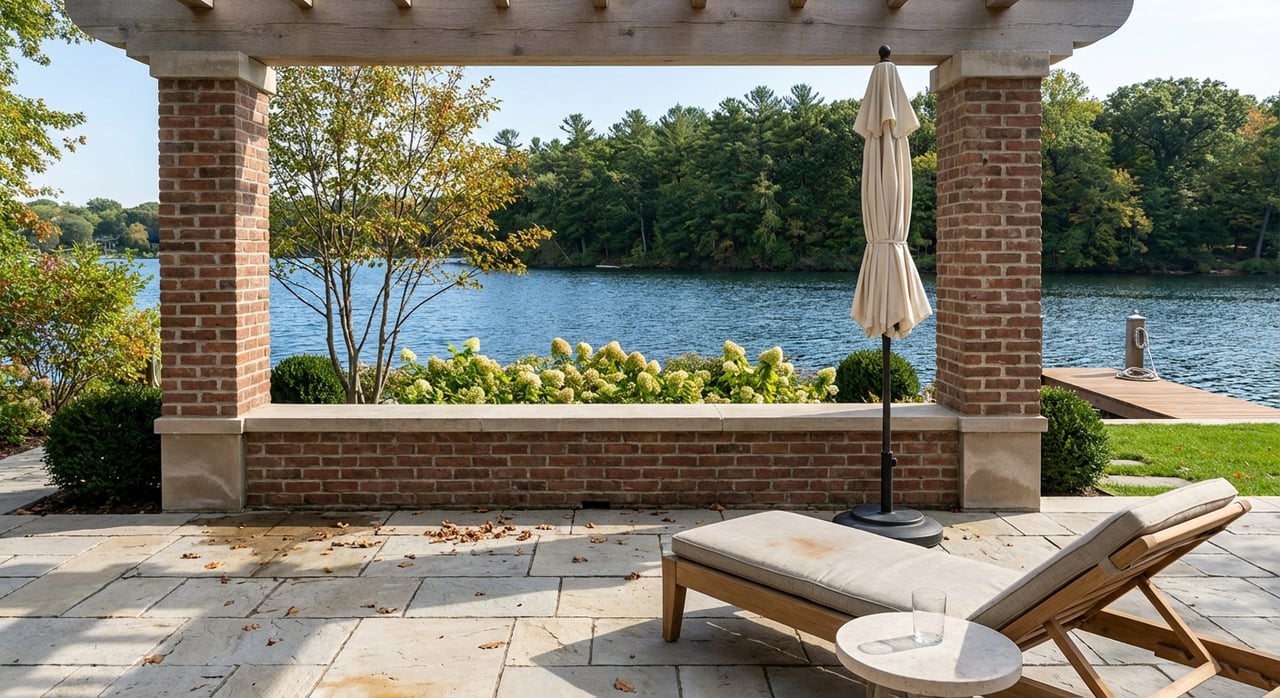
Waterfront shows best when the lake and landscaping are alive. In spring and early summer, green foliage, open water, and sunny skies help your photos and showings pop. Many second‑home and lifestyle buyers also plan around summer use, so they shop in spring to close before the high season. Holland’s spring events, including Tulip Time, increase regional traffic and put extra eyes on listings.
Spring advantage
If your goal is maximum exposure and price strength, aim for a spring launch. National studies find mid‑April through May often delivers the best blend of buyer views, faster sales, and stronger pricing. In Holland, that lines up with leaf‑out for great photography and with buyers who want keys in hand before summer.
Summer still works
Missed spring? A well‑priced summer listing can capture lifestyle buyers who are touring the lake by boat and attending local events. The water is active, docks are in, and outdoor living spaces are at their best. You may compete with more listings, so presentation and pricing discipline are key.
Fall and winter tradeoffs
Late summer and early fall can work for motivated buyers and sellers who prefer less competition. Winter attracts a smaller but serious pool. You will likely see longer marketing times in colder months, and you may need more conservative pricing. Plan to refresh exterior photos in spring if your listing carries over into the new year.
Who buys Holland lakefront homes
Different buyer segments shop on different calendars and bring different offer styles:
- Primary‑residence buyers. Local and regional households value year‑round living and commuting options. Many target spring or early summer closings to align with personal schedules.
- Second‑home buyers. These buyers are lifestyle‑driven and often act in spring to enjoy summer at the lake. National data show repeat buyers typically have higher incomes and larger down payments, which can support smoother closings and stronger terms. See NAR’s recent buyer profile for context.
- Investor and short‑term rental buyers. Interest tends to rise before summer and festival season, but appetite is sensitive to local short‑term rental rules and enforcement.
Rules and risks to check early
Before you set a date or a price, confirm the details that can affect marketability, appraisal, and closing.
Shoreline permits and docks
Michigan’s Department of Environment, Great Lakes, and Energy (EGLE) regulates many in‑water and shoreline projects. Permanent docks, hoists, seawalls, riprap below the ordinary high‑water mark, dredging, and similar work often require permits. Seasonal private docks that do not interfere with navigation may be treated differently. Permit review can take weeks or months depending on scope. Confirm any past shoreline work was permitted and gather documentation to share with buyers. Learn more through EGLE’s Inland Lakes and Streams overview.
Zoning and short‑term rentals
Park Township, which covers much of Lake Macatawa’s shoreline, regulates lakeshore development and short‑term rentals. In recent years, the township limited STRs in many residential areas and focused them within specific zoning districts. Rules and their enforcement have been the subject of local debate and litigation. If your buyer pool includes investors or if you have a rental history, verify your parcel’s zoning and current STR status in the Park Township code, and be prepared to provide documentation. Local news has covered related disputes, including ongoing litigation around STR limits.
Riparian boundaries and dock disputes
Dock placement and riparian boundaries can be sensitive along Lake Macatawa. Past cases in the area show how extensions and water‑level changes can lead to disagreements. Protect yourself by reviewing title, surveys, recorded easements, and any dock permits. For context, see the Michigan case summary in Heeringa v. Petroelje.
Water levels and insurance
Great Lakes water levels have shifted in recent years, affecting erosion concerns and sometimes insurance requirements. Buyers and underwriters will ask about shoreline history and current status. Assemble any flood zone information, recent shoreline work, and mitigation steps. You can monitor trends through the Great Lakes water‑level table maintained by Indiana DNR as a regional reference point for recent fluctuations.
A practical listing timeline
Use this framework to back into the best go‑live date for your goals. The windows can flex based on your property’s readiness and the market.
9–12 months out
- Order or update a boundary survey that clearly shows frontage, easements, and dock or access rights.
- Plan any shore protection or dock rebuilds. If work is needed, start EGLE and local permit discussions early. Permit steps can add weeks or months. Review EGLE’s permit overview.
- Address big‑ticket items that could spook buyers, such as roof, HVAC, septic, or well.
3–6 months out
- Pull shoreline and dock permit records. If documentation is missing, start retrieval or apply as needed.
- Schedule major contractors and a pre‑listing inspection to surface issues before buyers do.
- If your property was used for short‑term rentals, organize financials and municipal approvals, and confirm current zoning compliance.
6–8 weeks out
- Finish repairs and light updates. Tidy the shoreline, clean the beach, and refresh landscaping.
- Stage interior and exterior living spaces to highlight views and lake access.
- Schedule professional photography when foliage is out and the water looks its best, typically late April through June.
1–2 weeks out
- Finalize disclosures, survey, title updates, and all shoreline permit documents for MLS upload.
- Set showing instructions and open‑house plans. Prepare to handle offers quickly, since the first week is critical for momentum.
Pricing and launch strategies
Your target launch date and price should reflect both your goals and current waterfront comps.
- Maximize price. If the lakefront market is tight, consider listing in spring at a price anchored to the strongest recent waterfront sales. Invest in curb appeal and outdoor staging to capture lifestyle value.
- Prioritize speed. If you want a quick sale, price slightly under the top comparable range to drive traffic in the first 7 to 10 days. Set a clear offer review plan.
- Sell off‑season. Expect fewer showings and a longer timeline. Price conservatively and emphasize year‑round comfort, winterized systems, and rock‑solid documentation. Plan a photo refresh in spring if your listing spans seasons.
Photo and showing strategy
- Time your shoot. Aim for leaf‑out and bright conditions to maximize water and landscaping appeal.
- Lead with the lake. Feature dock, shoreline, and outdoor living spaces early in your photo sequence and marketing.
- Show by boat and by land. Schedule showings that let qualified buyers experience the water access and evaluate depth, maneuverability, and dock setup.
- Keep flexibility. In shoulder seasons, be ready to reschedule around weather for exterior highlights.
Documents to gather before you go live
- Parcel survey showing frontage, boundaries, and any easements.
- Copies of EGLE and local permits for dock, seawall, riprap, dredging, or other shoreline work. Use EGLE’s Inland Lakes and Streams overview as a starting point.
- Septic and well reports, plus recent service records for mechanical systems.
- Pre‑listing inspection report and a targeted dock or shoreline assessment, if applicable.
- Title commitment and any recorded agreements for shared docks, deeded access, HOA rules, or marina slips.
- If used for short‑term rentals, provide rental history and municipal approvals, and disclose if current zoning no longer allows STRs. Review the Park Township code to confirm what applies to your address.
Putting it all together
For most Holland lakefront sellers, a spring launch in April or May strikes the best balance of buyer traffic, faster pace, and stronger pricing. If your situation points to summer, fall, or winter, you can still succeed with the right price, polished presentation, and airtight documentation. The keys are planning ahead, timing your visuals to the season, and pricing from true waterfront comps that reflect your frontage and dock assets.
Want a custom read on timing for your shoreline, frontage, and goals? Connect with a local lakefront specialist who blends boutique service with premium marketing to reach qualified buyers on and off the water. Contact Capt’n Sue for a private consultation with Suzanne Bladek.
FAQs
What is the best month to list a Holland lakefront home?
- For most sellers, April or May provides peak visibility and pricing strength, thanks to leaf‑out photography, spring buyer traffic, and closings timed before summer use.
Should I list before Tulip Time in Holland?
- If you are ready, listing just before or during Tulip Time can boost exposure because regional visitors are in town, but only do so if your home and photos are market‑ready.
Do I need a permit for my dock or seawall before selling?
- Permanent or in‑water work often requires state permits; confirm past work and gather records from EGLE so buyers and appraisers have what they need, starting with EGLE’s program overview.
How do Park Township short‑term rental rules affect my sale?
- If your buyer pool includes investors or your home has rental history, verify current STR rules and your parcel’s zoning in the Park Township code, and be ready to share approvals or note limits.
Can water levels on Lake Macatawa impact value?
- Changing Great Lakes levels can influence shoreline condition, erosion risk, and insurance, so disclose recent shoreline work and check regional trends using the Great Lakes level table.
Is winter a bad time to sell a lakefront home?
- Winter can work, but buyer pools are smaller and marketing times are longer; price with care and plan to refresh exterior photos in spring if your listing carries over.
What paperwork should I pull together before listing?
- Prioritize a current survey, shoreline and dock permits, title updates, septic and well reports, and any HOA or shared‑access agreements so buyers can move quickly and confidently.