If your Saugatuck or Douglas cottage could talk, what would it say to buyers the moment they walk in? In a shoreline market where buyers often shop with both emotion and logic, your home’s presentation can shape that answer fast. The good news is that getting ready to sell does not have to mean a full renovation. With the right prep, you can reduce buyer hesitation, highlight the lifestyle people come here for, and enter the market with more confidence. Let’s dive in.
Understand today’s cottage market
Before you start painting walls or replacing furniture, it helps to know what kind of market you are stepping into. As of March 2026, Saugatuck had 39 active listings, a median sale price of $799,000, 122 median days on market, and a 94% sale-to-list ratio. Douglas had 45 active listings, a median sale price of $874,000, 111 median days on market, and a 98% sale-to-list ratio, with Realtor.com classifying Saugatuck as balanced and Douglas as a buyer’s market.
That matters because buyers in a balanced or buyer-leaning market usually have more time to compare options. They notice deferred maintenance, clutter, awkward storage, and anything that feels like a future expense. In a resort-driven area that depends heavily on visitors and second-home interest, your cottage is not just competing on square footage. It is also competing on how well it sells the shoreline lifestyle, as reflected in Allegan County’s tourism profile.
Start with repairs that lower buyer stress
If you are wondering where to spend money before listing, start with the items most likely to create concern during a showing or inspection. According to the National Association of Realtors consumer guide on preparing to sell, sellers should pay close attention to structure, roof, plumbing, electrical, heating and cooling, interiors, ventilation, insulation, fireplaces, and possible health-related issues such as mold, radon, lead paint, and asbestos.
You do not need to fix every cosmetic imperfection before you list. You do want to address the issues that make buyers think, “What else is wrong here?” In cottage properties, visible water stains, leaks, sticky windows, doors that do not close cleanly, worn trim, or obvious deferred maintenance can create outsized concern because buyers may assume seasonal wear has affected larger systems too.
Consider a pre-sale inspection
A pre-sale inspection is optional, but it can help you spot problems before buyers do. NAR notes that this kind of inspection can uncover issues in major systems and components, giving you time to decide whether to repair, price accordingly, or prepare documentation and estimates in advance.
That can be especially helpful if your cottage has been seasonally used or lightly occupied for parts of the year. Even if you choose not to complete every repair, pricing out the work gives you a clearer picture of what buyers may bring up during negotiations.
Prioritize these repair categories
Focus first on repairs that affect confidence, safety, or perceived cost:
- Roof concerns or visible exterior wear
- Plumbing leaks or signs of past water intrusion
- Electrical issues or outdated fixtures that raise concern
- HVAC problems or inconsistent heating and cooling
- Windows and doors that stick, fog, or do not latch well
- Mold, radon, or other inspection-related health concerns
- Fireplace issues if the feature is part of the cottage appeal
If your budget is limited, this is usually a better place to invest than in trendy updates. Buyers can live with a finish they may change later. They are much less comfortable taking on unknown repair risk.
Clean like photos matter, because they do
Deep cleaning is one of the highest-impact, lowest-cost steps you can take. NAR specifically recommends cleaning windows, carpets, lighting fixtures, and walls, along with improving curb appeal through landscaping, paint, and the front entrance.
In a market like Saugatuck and Douglas, that advice carries extra weight. Many buyers may first see your property online from Chicago, Indiana, Illinois, or elsewhere in Michigan before deciding whether it is worth a trip. Clean windows, brighter rooms, and tidy exterior spaces can make your photography work harder from day one.
Focus on first-impression surfaces
Before photos or showings, make sure these areas are truly clean:
- Windows and glass doors
- Light fixtures and bulbs
- Walls, trim, and baseboards
- Floors and area rugs
- Kitchen counters and appliance fronts
- Bathrooms, grout, mirrors, and faucets
- Porch floors, railings, and outdoor furniture
A cottage should feel fresh, bright, and easy to maintain. If a buyer walks in and sees dust, cobwebs, or cloudy glass, it can undercut the emotional pull of the home right away.
Declutter to make the cottage feel bigger
Cottages often have charm, but they do not always have abundant storage. That is why decluttering matters so much before you list. NAR recommends storing away clutter before showings so buyers can better picture themselves living in the home.
For a Saugatuck Douglas cottage, this usually means removing the items that make the home feel overly personal, seasonal, or crowded. You want buyers to notice the space itself, not your gear, your guest overflow, or a packed linen closet.
What to pack away before listing
Try removing or storing:
- Beach gear and water toys
- Seasonal decor
- Extra bedding and off-season linens
- Overflow pantry items
- Owner closet contents
- Too many small decorative objects
- Excess furniture that tightens walkways
The goal is simple. Make the cottage feel larger, lighter, and easier to manage. That impression matters for both full-time buyers and second-home shoppers who want a low-stress property.
Stage the rooms that carry the most weight
You do not need to stage every room perfectly to make a strong impression. According to NAR’s 2025 home staging snapshot, 83% of buyers’ agents said staging helped buyers visualize a property as a future home. The rooms most commonly staged were the living room, primary bedroom, and dining room.
For a cottage, that is a useful roadmap. Focus your energy where buyers imagine daily life happening. A comfortable living room, restful bedroom, and inviting dining area usually do more for buyer imagination than trying to over-style every spare room.
Keep cottage staging simple and neutral
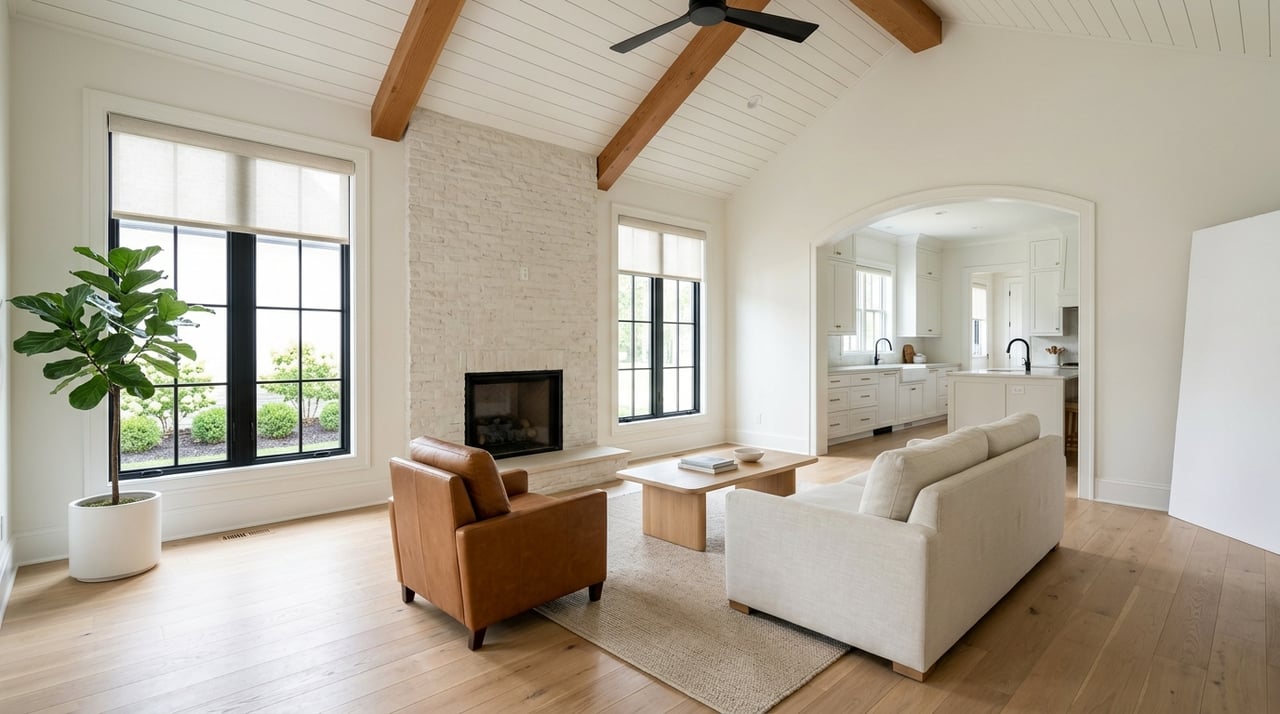
A good cottage presentation should feel relaxed, polished, and flexible across seasons. Rather than leaning too hard into a beach theme, create a neutral base with a few thoughtful accents. This approach helps your listing photography feel current whether the home hits the market in winter, spring, or summer.
A few staging goals to keep in mind:
- Create clear conversation areas in living spaces
- Use bedding and textiles that feel fresh but not overly themed
- Limit personal photos and niche decor
- Keep dining areas set simply, not formally overdone
- Highlight natural light and easy indoor-outdoor flow
Treat outdoor spaces like living space
In Saugatuck and Douglas, outdoor areas are part of the cottage experience. If you have a porch, deck, patio, dining area, or fire-pit setup, buyers will read that space as an extension of the home. It should look ready to use.
That matters even more because the official Saugatuck-Douglas summer guide shows how active the area becomes during the warm-weather season. When buyers are shopping for a cottage here, they are often picturing coffee on the porch, dinners outside, and evenings gathered around a fire table or patio set.
Prep outdoor spaces before photos
Make sure you:
- Clean and arrange patio furniture
- Sweep porches, decks, and walkways
- Remove worn cushions or faded accessories
- Stage outdoor dining if the space supports it
- Tidy landscaping and entry points
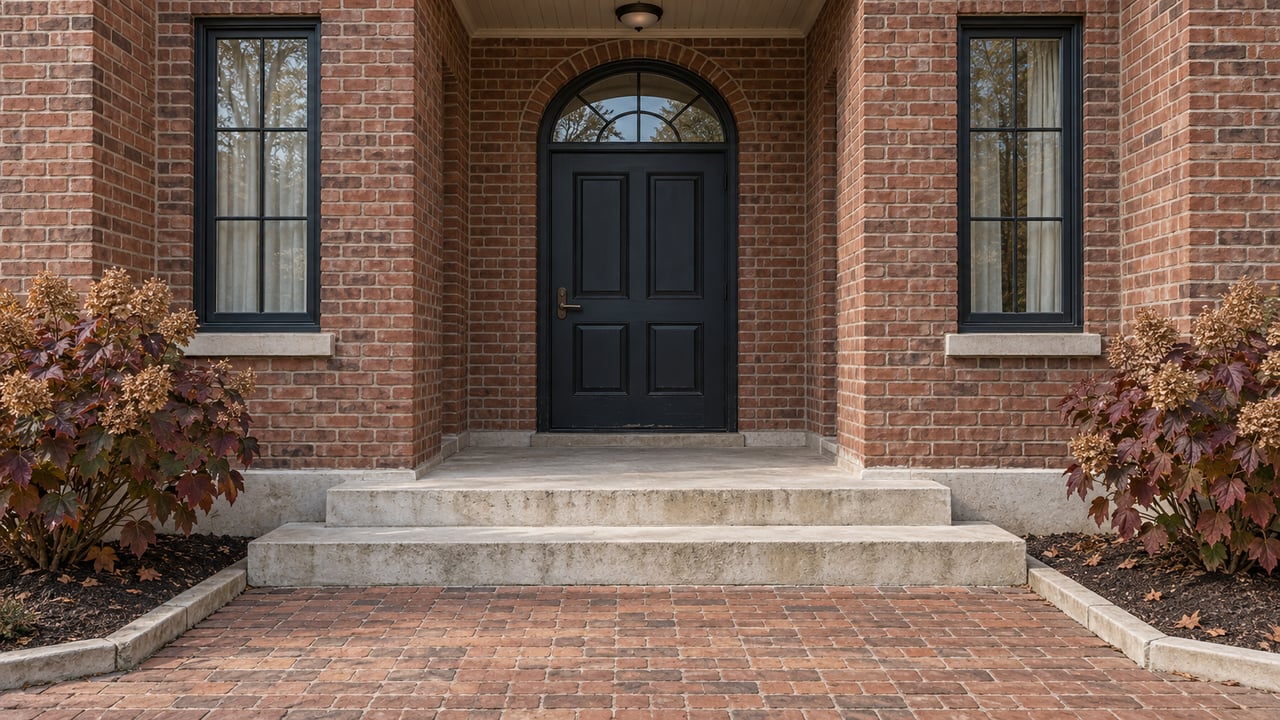
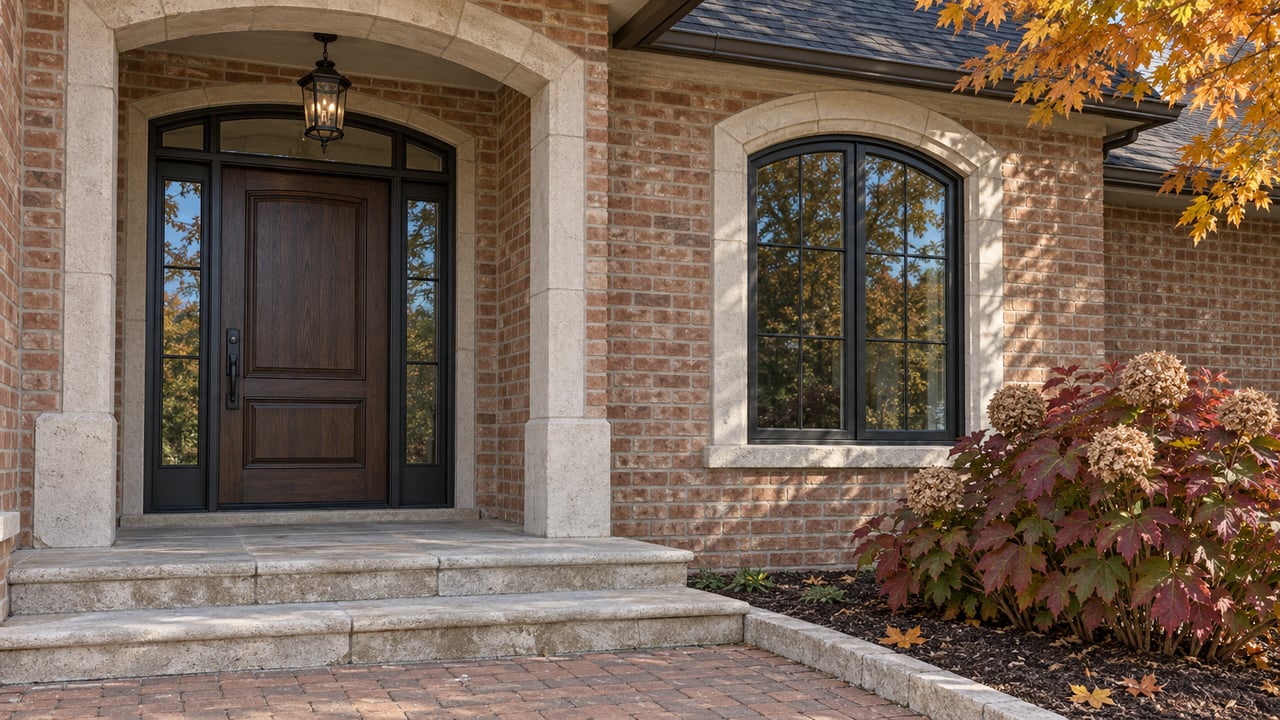
- Make the front door and approach feel welcoming
You do not need elaborate styling. You just want buyers to feel that the outdoor spaces are usable, inviting, and part of the lifestyle they are buying.
Time your listing around preparation and season
National timing is not everything, but it is a useful guide. Realtor.com’s 2026 Best Time to Sell report points to April 12 through 18 as the best week nationally to list, and notes that sellers should begin preparing well before their target listing date. The report also notes that timing can vary locally, though mid-April tends to track well in the Midwest.
For Saugatuck and Douglas, that timing makes practical sense. If your cottage is fully prepped and market-ready before the summer rush, you may have a better chance to catch both local and out-of-town buyers before the season gets busier and distractions increase.
Why early prep matters here
This is a tourism-driven area with strong summer activity. That means waiting until the last minute can leave you trying to clean, stage, photograph, and show the property just as visitor traffic ramps up. Starting early gives you more control over repairs, scheduling, and presentation.
If you are targeting a spring listing, begin prep well in advance. That gives you time to handle repairs thoughtfully instead of rushing through them.
Make showings easy for out-of-town buyers
Many buyers looking in this market are not local full-time residents. Allegan County notes that visitors often come from Chicago, northern Indiana, Illinois, and much of Michigan’s Lower Peninsula. That drive-market reality affects how you should think about access and showings.
Flexibility can help your sale. Weekend showing windows, longer appointment blocks, and clear access instructions are especially useful for second-home and vacation-property buyers who may only be in town for a short time.
Showing tips that help cottages sell
To reduce friction, try to:
- Allow wider showing availability when possible
- Keep the home consistently tidy and photo-ready
- Provide easy entry instructions through your agent
- Minimize clutter in entry areas and utility spaces
- Make outdoor paths and doors easy to access
When a buyer has driven in for the weekend, a smooth showing experience matters. You want the home to feel easy to say yes to.
Build a prep plan that fits your goals
Every cottage is different. Some need only a clean, a light refresh, and a smart staging plan. Others need repair work, a more strategic timeline, and pricing that reflects condition. The key is not doing everything. The key is doing the right things in the right order.
A thoughtful plan usually looks like this:
- Assess condition and identify likely inspection issues
- Decide which repairs are worth completing before listing
- Deep clean and improve curb appeal
- Declutter and store personal or seasonal items
- Stage the rooms that matter most
- Prep outdoor spaces for photography and showings
- Choose a listing window that matches your readiness
If you are thinking about selling your Saugatuck or Douglas cottage, a personalized prep strategy can make a meaningful difference in how your home shows and how buyers respond. When you are ready for a tailored plan, Suzanne Bladek can help you prepare, position, and present your property with the kind of thoughtful marketing this market deserves.
FAQs
What repairs matter most before selling a Saugatuck Douglas cottage?
- Focus first on roof issues, major systems, visible water problems, windows and doors that do not function well, and items an inspector is likely to flag, based on NAR’s pre-sale guidance.
Do you need to stage every room in a Saugatuck or Douglas cottage?
- No. NAR’s staging data shows the living room, primary bedroom, and dining room tend to matter most for helping buyers visualize the home.
How much should you declutter before listing a cottage in Saugatuck Douglas?
- Declutter enough that the home feels brighter, larger, and easier to maintain, especially in closets, storage areas, and rooms with extra seasonal or personal items.
When is the best time to list a cottage in Saugatuck or Douglas?
- Mid-April is a strong starting point based on national 2026 timing guidance, but the best plan is to list once your cottage is fully prepared and before peak summer activity builds.
Why do outdoor spaces matter when selling a Saugatuck Douglas cottage?
- In this market, porches, decks, patios, and fire-pit areas are part of the lifestyle buyers are shopping for, so they should be cleaned, arranged, and ready for use during photos and showings.