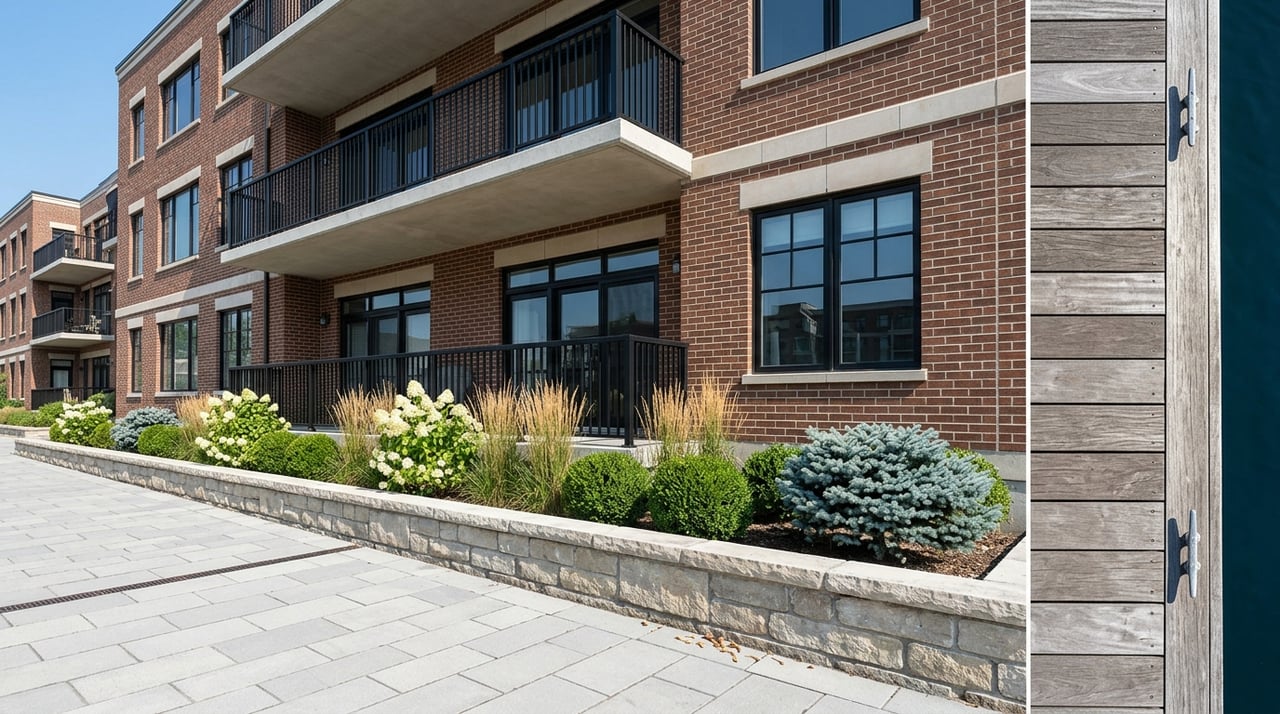
If you are dreaming about waterfront living in Grand Haven or Spring Lake, one of the biggest questions is also one of the most important: should you buy a condo or a single-family home? Both can give you access to beautiful water views and boating lifestyle perks, but they often come with very different costs, upkeep, privacy, and ownership responsibilities. If you are trying to decide which option fits your life best, this guide will help you compare the tradeoffs clearly and confidently. Let’s dive in.
Waterfront Prices in Spring Lake and Grand Haven
Waterfront real estate in the Grand Haven and Spring Lake area sits in a premium category compared to the broader local market. As of early 2026, Spring Lake’s overall median sale price was $287,000, while Grand Haven Waterfront’s median sale price was $575,000 last month, according to local market data from Redfin.
Current waterfront listings show a much wider and higher range than those broader medians. In the Spring Lake and Ferrysburg 49456 market, waterfront condos are currently listed around $369,900, $549,000 to $675,000, $790,000, and up to $1,289,900 for new construction, based on current waterfront inventory.
Waterfront homes often start higher and stretch much further at the top end. One current Spring Lake single-family waterfront home is listed at $1,300,000 and includes 4 bedrooms, 3.5 baths, 0.67 acres, a private dock, and no HOA dues, while larger waterfront estate listings in the same search results reach nearly $5 million to $6 million. In Grand Haven Waterfront, homes-with-a-view listings show a $1.07 million median listing price, with waterfront condos listed around $995,900 and $1.15 million.
Condo vs Home Cost Differences
The purchase price is only part of the story. When you compare waterfront condos and homes in Spring Lake or Grand Haven, you also need to look at monthly carrying costs, maintenance obligations, and how much control you want over the property.
A condo may give you a lower entry point than a detached waterfront home, depending on the building, location, and amenities. But condos usually come with monthly association dues, and those dues help fund maintenance, reserve accounts, and shared property features.
For example, one new-construction waterfront condo listing in the area shows $250 per month HOA dues. That same listing points to a setup that may appeal to buyers who want a more predictable maintenance structure and less day-to-day exterior work.
A detached home may not have HOA dues at all, as seen in this Spring Lake waterfront home example. But that does not mean ownership is cheaper. It usually means you are directly responsible for more of the yard, shoreline, dock, and exterior maintenance yourself.
Maintenance and HOA Tradeoffs
For many buyers, maintenance is the deciding factor. A waterfront condo often works well if you want a lock-and-leave lifestyle, especially if this will be a second home or seasonal retreat.
In one local example, the Cottage Shores waterfront condo community says the association covers landscaping, irrigation, dock maintenance, and snow removal. The same listing also notes HOA coverage for maintenance grounds and trash, which can remove a lot of the routine work from your plate.
Another nearby waterfront condo example highlights shared amenities like a pool, clubhouse, and private sandy beach. That can be attractive if you want the waterfront experience without personally managing every outdoor detail.
With a single-family home, you usually gain more independence but also more responsibility. If the property has a private dock, larger yard, or shoreline frontage, you will likely be the one planning, paying for, and managing that upkeep over time.
What Michigan Condo Rules Mean
If you are looking at a condo, it helps to understand the basics of how association ownership works. Under Michigan condo law, associations are required to maintain a reserve fund for major repairs and replacement of common elements, and co-owners contribute to common expenses even if they do not personally use all shared amenities.
That structure can be helpful because it creates a formal system for budgeting future repairs. At the same time, it also means you should review HOA documents carefully, because monthly dues are not the only potential cost.
One important detail for waterfront buyers is that if a dock, slip, or other feature is treated as a limited common element, some costs can be specially assessed to the unit that benefits from it under Michigan law. In simple terms, you want to know exactly what is shared, what is assigned, and what you may be asked to pay for later.
Docks and Boating Access
Waterfront is not all the same. One of the biggest lifestyle differences between condos and homes is how you access the water and what kind of boating setup comes with the property.
Some condo communities include dedicated slips or dock access. In one Spring Lake condo community, the listing notes a dedicated 40-foot dock, which may be a major plus if boating is central to your plans. In Grand Haven Waterfront, a slip listing can accommodate a boat up to 45 feet LOA, showing that condo-style ownership can still work well for serious boaters in the right setting.
A detached home can offer more direct control. The Spring Lake home example specifically includes a private dock and expansive backyard, which creates a very different ownership experience than sharing waterfront amenities with a community.
Shoreline Rules and Permits
Waterfront buyers should always look beyond the view and ask what is allowed at the shoreline. This is especially important if you expect to add, replace, or modify a dock, hoist, seawall, or other shoreline feature after closing.
According to Michigan EGLE guidance, a permit is required for a permanent dock or boat hoist on inland lakes and streams. A seasonal private recreational dock or hoist may be exempt if it is removed at the end of the season and does not unreasonably interfere with others or water flow.
For Great Lakes coastal areas, the process can be more involved. EGLE notes that most shoreline-altering activities require a U.S. Army Corps of Engineers permit, which matters especially if you are considering Lake Michigan frontage in Grand Haven rather than inland frontage on Spring Lake.
How Spring Lake Boating Rules Affect Lifestyle
Lifestyle on the water is not just about ownership. It is also shaped by local boating rules and how the waterway functions day to day.
On Spring Lake in the Village of Spring Lake and Spring Lake Township, watercraft rules from the Michigan DNR state that boats under 26 feet must operate at slow-no-wake within 200 feet of any shore, dock, or pierhead. Boats 26 feet or larger must operate slow-no-wake in the regulated waters.
For some buyers, that adds to the appeal because it can create a calmer shoreline feel near home. For others, it is simply a practical rule to know before choosing a property based on boating habits.
Privacy, Space, and Daily Living
Beyond cost and maintenance, the condo-versus-home decision often comes down to how you want to live. If you value simplicity, shared amenities, and easier travel in and out, a condo may be the better fit.
That is especially true if you are buying a second home and want a property that feels easier to step away from. In the local market, condo options can include amenities such as private beaches, clubhouses, pools, and association-managed exterior care.
If you value privacy, outdoor space, and more control over the property, a detached home usually gives you more flexibility. A larger lot, private dock, and more separation from neighbors can make a home feel better suited for full-time living, hosting, or multigenerational use.
Grand Haven waterfront properties can also bring a different setting than Spring Lake. Some listings emphasize downtown views, boardwalk access, nearby restaurants, and seasonal attractions like fireworks or Musical Fountain views, which may appeal to buyers who want a more active waterfront environment.
Which Option Fits You Best?
A waterfront condo in Grand Haven or Spring Lake may be the right choice if you want:
- A lower-maintenance ownership experience
- Shared amenities such as beaches, pools, or clubhouses
- Less yard and exterior work
- A lock-and-leave option for seasonal use
- A waterfront lifestyle with more predictable shared responsibilities
A waterfront home may be the better fit if you want:
- More privacy
- More outdoor space
- Direct control over your dock and property use
- Greater separation from neighbors
- A property that feels more tailored to year-round living or legacy ownership
The right answer depends on how you plan to use the property, how hands-on you want to be, and what kind of waterfront experience matters most to you.
If you are weighing condos versus homes in Spring Lake or Grand Haven, working with a local waterfront specialist can help you look beyond the photos and understand the real differences in access, upkeep, dock rights, and long-term value. If you want help comparing options in this market, Suzanne Bladek can guide you through the details and help you find the waterfront property that fits your lifestyle.
FAQs
What is the price difference between waterfront condos and homes in Spring Lake?
- Current Spring Lake and Ferrysburg waterfront condos range from about $369,900 to $1,289,900, while a current single-family waterfront home example is listed at $1.3 million, with larger estate listings reaching much higher price points.
What do HOA dues usually cover in Spring Lake waterfront condos?
- In local examples, HOA coverage may include landscaping, irrigation, dock maintenance, snow removal, trash, and access to amenities like a pool, clubhouse, or private beach, depending on the community.
What should you ask about a waterfront condo dock in Grand Haven or Spring Lake?
- You should ask whether the dock or slip is private, shared, or a limited common element, and whether future repair or replacement costs could be specially assessed to your unit.
Can you add or replace a dock on a waterfront home in Michigan?
- It depends on the location and the type of work, but Michigan EGLE says permanent docks or boat hoists on inland lakes and streams require a permit, while some seasonal docks may be exempt if they meet specific conditions.
How do boating rules affect waterfront living on Spring Lake?
- Spring Lake has slow-no-wake rules near shore and in regulated waters, which can create a calmer shoreline environment but may also affect how you use your boat near home.