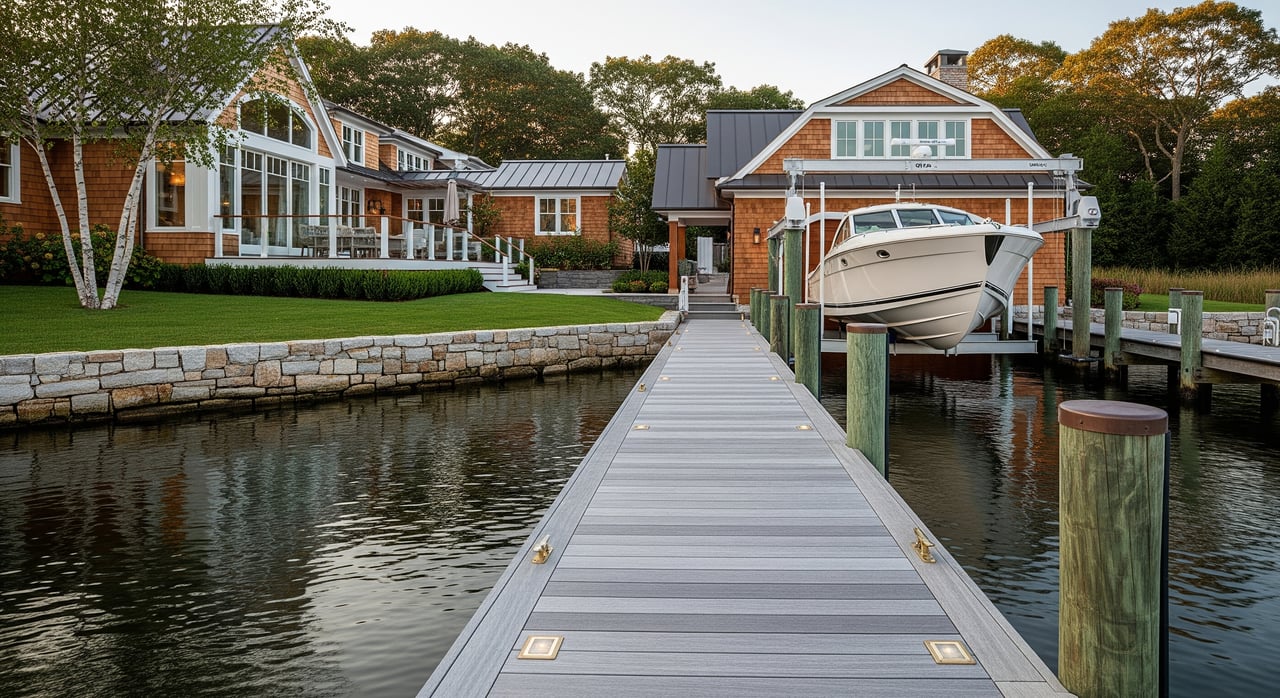
Picture stepping from your dock onto your boat, gliding through Spring Lake, and cruising out to Lake Michigan without stress. If that sounds like your ideal day, the right home features will make all the difference. Buying waterfront around Spring Lake and Grand Haven is about more than a view. It is about water depth, dock design, lift capacity, and how fast you can reach open water. In this guide, you will learn which boat-friendly features matter most here, where they tend to cluster, and how to evaluate a property with confidence. Let’s dive in.
Know your Spring Lake waterways
Spring Lake sits just east of Grand Haven and connects to Lake Michigan through managed channels. This gives you sheltered, inland-lake living with access to big-water adventure. Your experience on the water depends on where your home sits along the lake and how quickly you can reach the maintained channel.
Federal navigation channels and harbor entrances in this area are maintained by the U.S. Army Corps of Engineers. Channel depth and dredging schedules influence where deeper slips are practical and how easily you can move between Spring Lake and Lake Michigan. Ask about the most recent channel maintenance when you evaluate a location.
Great Lakes water levels rise and fall seasonally and over multi-year cycles. Those swings affect dock clearance, lift selection, and shoreline protection. Plan dock and lift choices for both high and low water, not just what you see on closing day.
Grand Haven offers municipal marina facilities and public launches. Spring Lake has private marinas, yacht and boat clubs, and public access points. Services like fuel, pump-out, shore power, and winter storage vary by facility and season, so confirm availability before you rely on them.
Essential boat-friendly features
Water depth and approach
- Why it matters: Water depth at your dock determines what size boat will work, depending on its draft.
- What to verify: Depth measured at the dock, be aware that there could be underwater obstructions, and safe approach and turning room to the slip.
- Local tip: Docks near the channel or marina areas tend to have deeper water than interior coves.
Dock type and condition
- Why it matters: A well-built dock supports safe boarding and protects your investment.
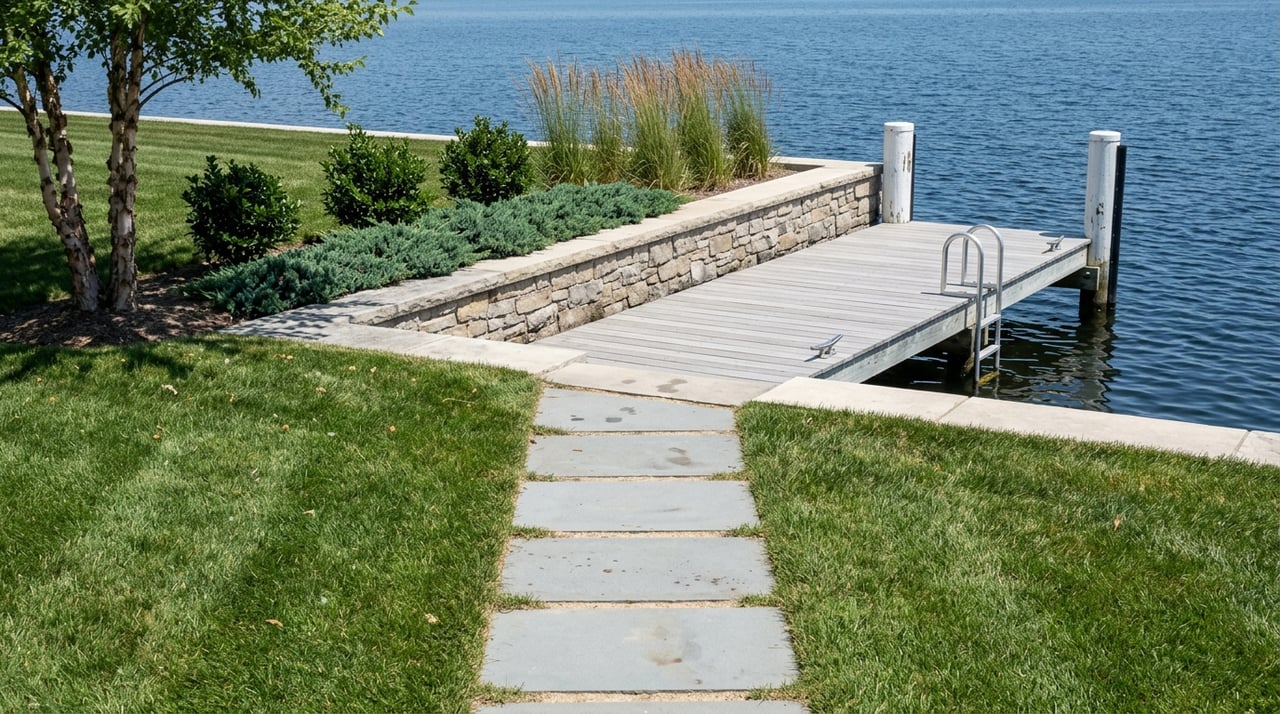
- What to verify: Fixed vs floating design, condition of pilings and decking, hardware integrity, and permit history.
- Local tip: Floating docks handle Great Lakes level swings well, but they need secure anchoring where currents or winds are stronger near the channel.
Boat lift capacity and age
- Why it matters: The lift must match your boat’s weight and beam, with a safety margin.
- What to verify: Rated capacity, age and service records, electrical needs for powered lifts, and permits for installation.
- Local tip: Larger cruisers used on Lake Michigan often require higher-capacity lifts and deeper slips, which are more common near marinas and the channel where there might be a surge from Lake Michigan. Usually, larger cruisers are not on a lift and are tied to the pilings.
Shore power and electrical
- Why it matters: Shore power supports lifts, battery charging, HVAC, and onboard systems.
- What to verify: Amperage (30A vs 50A), GFCI protection, meter ownership, wiring condition, and distance from the panel to the dock.
- Local tip: Private docks often have modest 30A service. Marinas usually provide standardized shore power.
Pump-out and sanitation
- Why it matters: Pump-out access keeps you compliant and comfortable for longer stays aboard.
- What to verify: On-site pump-out, or which nearby marinas provide it, plus local discharge rules.
- Local tip: Municipal and private marinas typically handle pump-out. Private residential docks rarely do.
Proximity to the channel
- Why it matters: Faster access to Lake Michigan means more time cruising and less time idling.
- What to verify: Distance to the maintained channel, any bridge clearances, and speed or no-wake zones along the route.
- Local tip: Homes on or near the channel, or with marina slips, offer the quickest route to open water.
Marina access vs private dock
- Why it matters: Marinas add convenience and services that reduce personal upkeep.
- What to verify: Slip sizes, ownership vs lease, waitlist policies, guest slip options, fuel, service, and winter storage.
- Local tip: Public municipal options exist in Grand Haven. Spring Lake marinas and clubs may require memberships or have waitlists.
Protection from wind and waves
- Why it matters: Calmer water reduces wear on docks and boats and keeps boarding safe.
- What to verify: Exposure to prevailing winds, fetch across the lake, and the presence of natural or built shelter.
- Local tip: Interior coves on Spring Lake are calmer. Properties facing open harbor conditions need sturdier dock systems.
Shoreline stabilization
- Why it matters: Stabilized shorelines guard against erosion and impact dock layout.
- What to verify: Bulkhead or riprap material and condition, permit history, and any needed repairs.
- Local tip: Many waterfront lots include stabilization. Updates often need state and local permits.
Riparian rights and shared access
- Why it matters: Your rights to install or use docks can be limited by title, easements, or local rules.
- What to verify: Deeded riparian or littoral rights, recorded easements, HOA covenants, and any municipal dock licenses.
- Local tip: Some Spring Lake homes have private docks. Others rely on shared or municipal access. A title review and survey are essential.
Permits and regulations to confirm
- Dock, lift, and shoreline construction: Michigan EGLE reviews many in-water projects, and Spring Lake or Ottawa County zoning may set size, setback, and material standards. USACE permits can apply when federal waters or navigation are affected.
- Environmental rules: Work near wetlands or sensitive shoreline often requires extra review. Plan timelines around seasonal work windows.
- Bridges and channel clearance: If your route to open water passes under bridges, confirm vertical clearance or opening schedules to make sure your boat fits.
- Insurance and liability: Docks, lifts, and shoreline exposure can influence homeowner and marine insurance requirements and premiums.
Where boat-friendly features tend to cluster
- Properties by marinas and the channel: You often find deeper water, shore power, fuel, pump-out, and the quickest Lake Michigan access. Ideal for larger powerboats and frequent cruisers.
- Sheltered coves and bays on Spring Lake: Calmer water is perfect for pontoons, smaller cruisers, and paddlecraft. Depths can be shallower, so verify draft needs.
- Private lots with long frontage: More shoreline can allow custom dock layouts, lifts, and turning room. Expect more permitting and potential stabilization work.
- HOA or yacht/boat club areas: Shared amenities like slips and storage simplify ownership. Membership rules and waitlists may apply.
Your buyer’s checklist for tours
Use this list to stay focused during showings and inspections. Items marked with an asterisk are common deal-breakers.
- Water depth at the dock*
- Distance and travel time to the channel and Lake Michigan *
- Dock and piling condition, plus permit and installation records *
- Boat lift rating, age, condition, and electrical requirements *
- Shore power availability and GFCI-protected panel condition
- Slip ownership vs lease, and marina waitlist status if needed
- Title confirmation of riparian rights and any easements *
- Local ordinances on dock size, setback, boat length, and lighting
- Exposure to wind and storm waves, and available shelter
- Shoreline stabilization condition and permit history
- Pump-out and fuel availability nearby
- Any bridge or low-clearance limits along your route
- Seasonal ice and winterization needs for docks and lifts
- Flood risk and insurance availability for the parcel
- Local marine services for repair, haul-out, and winter storage
How to evaluate a property fast
- Walk the route: Trace the path from your dock to the maintained channel. Note no-wake zones, bridges, and any tight turns.
- Confirm depth: Ask for measured depth at the dock and along the approach. Verify no obstructions.
- Review documents: Request permits, installation records, and service history for docks, lifts, and shoreline work.
- Power check: Verify shore power amperage, GFCI protection, wiring condition, and panel location.
- Talk to locals: Call a marina manager for practical insight on channel conditions, slip options, and seasonal services.
- Line up pros: Engage a marine or dock surveyor, a title professional for water rights, and local zoning staff early in the process.
Partner with a local waterfront advisor
A great waterfront home should fit your boating lifestyle today and adapt to tomorrow’s water levels and needs. With deep knowledge of West Michigan lakeshore markets and hands-on experience with docks, permits, and riparian rights, you can move forward with clarity. If you want to compare locations on Spring Lake versus the channel, or review a dock and lift plan before you offer, I will help you do it right from the start.
Ready to find a boat-friendly home that makes every launch easy? Connect with Suzanne Bladek to start your search. Contact Capt’n Sue for a private consultation.
FAQs
What makes a Spring Lake home truly boat-friendly?
- A combination of adequate dock depth, a well-matched lift, reliable shore power, and a quick, unobstructed route to the maintained channel.
Who maintains the Grand Haven channel and why does it matter?
- The U.S. Army Corps of Engineers manages federal navigation channels, which affects depth, dredging, and how easily you can move between Spring Lake and Lake Michigan.
Do I need permits to replace or add a dock or lift in Spring Lake, MI?
- Most shoreline and in-water work requires review by Michigan EGLE and local zoning, and sometimes USACE, so confirm requirements before planning changes.
How can I estimate the right water depth for my boat?
- Match depth to your draft plus extra clearance for low water and waves, then verify on-site with measured depths at your dock and along the approach.
Is a marina slip or private dock better for larger boats in this area?
- Marinas offer power, pump-out, fuel, and storage with rules and fees, while private docks provide control with more maintenance and permitting responsibility.