Thinking about a Spring Lake waterfront home but not sure whether main-lake, channel, or bayou frontage fits you best? You are not alone. Each frontage type delivers a different mix of views, wake exposure, privacy, and boating access. In this guide, you will learn how they compare in Spring Lake, what to watch for during due diligence, and how frontage can influence value and lifestyle. Let’s dive in.
Spring Lake frontage types at a glance
Spring Lake offers three common frontage experiences. You will see main-lake shoreline with wide water views, channels that connect different parts of the lake, and quieter bayous or coves tucked off the busier paths. Understanding the feel and function of each helps you narrow your search faster.
Main-lake frontage: panoramic water
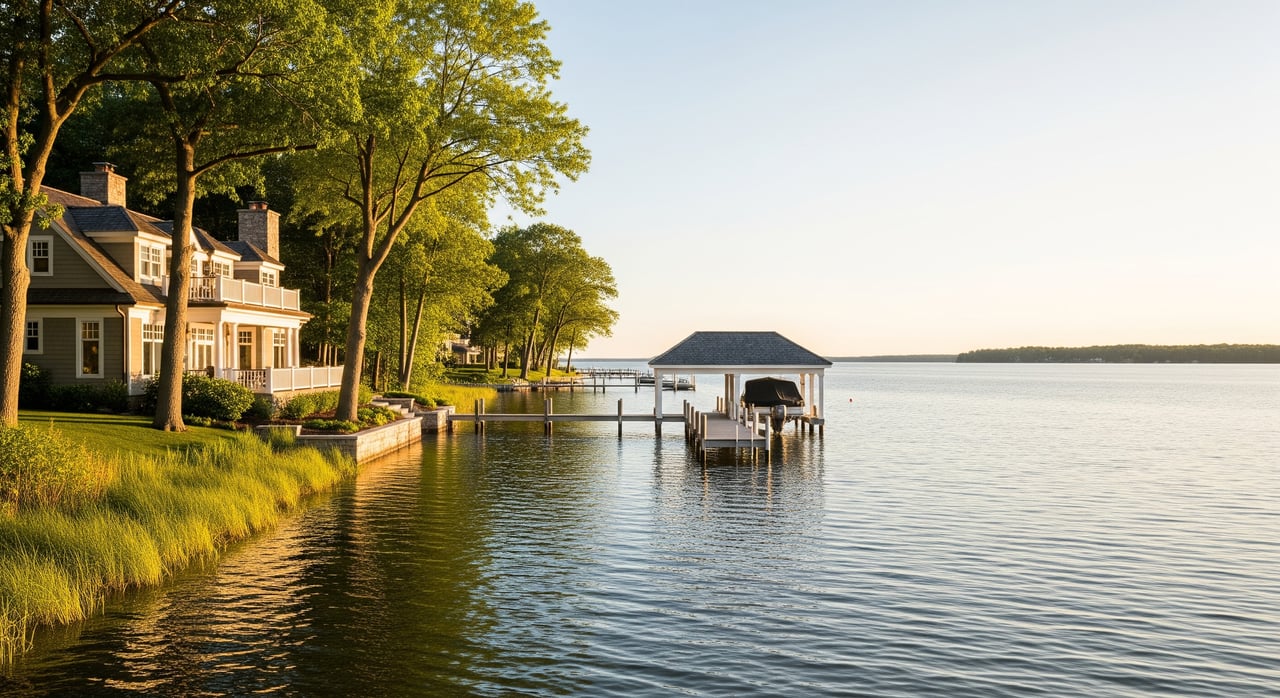
Main-lake properties sit on open water and often enjoy sweeping sightlines across Spring Lake. You can usually launch straight out for open-water cruising and may have room for a larger dock, subject to local permits. The tradeoff is more exposure to wind and waves, so water can run choppier when the breeze picks up. Expect more visible boat activity in season and a bit more ambient noise.
Channel frontage: transit and energy
Channel homes front the narrower connectors that boats use to move around Spring Lake and toward broader routes. You get direct dockage and quick access to the lake, but boat traffic is more concentrated. That means more frequent pass-by wakes, especially on sunny weekends or near active marinas. Depth can vary with channel geometry, so you should confirm navigable depth for your specific boat.
Bayou and coves: quiet water
Bayous and small coves provide sheltered, calmer water with fewer through-boaters. Many buyers love these areas for privacy, kayaking, paddleboarding, and easier swimming. Views feel more intimate and the shoreline may be more vegetated. Depth can run shallower in spots and may require periodic dredging if you plan to keep a larger boat at your dock.
Boating access and wake: what to expect
Not all waterfront is equal for boaters. The best fit depends on how you use the water, your vessel size, and how you feel about wakes and boat noise.
Travel times and depth checks
Spring Lake offers in-water access to local navigation corridors, with some parcels closer to key routes than others. Actual travel time to Grand Haven or out toward Lake Michigan depends on your starting point, channel geometry, and speed. Rather than rely on a map estimate, ask neighbors, local marinas, or current owners about typical transit times. If boat draft matters to you, get recent depth information at the dock and consider a professional depth check.
Wake exposure factors around Spring Lake
Wake intensity comes from a few predictable sources. Open stretches on the main lake generate more wind-driven chop. Channels focus boat traffic, so the wakes repeat along the banks. Larger boats and wake-focused crafts produce bigger waves. Shoreline protection and dock design matter too. Well-built seawalls, riprap, and stable pilings can reduce wear, while aging structures can add future maintenance costs.
Local rules to confirm
Boating speed limits, no-wake zones, and other restrictions are set by local municipalities and enforced by county or state authorities. To get current details for your block of shoreline, contact the Village of Spring Lake, Spring Lake Township, and Ottawa County. The Michigan DNR and Michigan EGLE provide statewide guidance on boating and shoreline work. Always verify the latest rules and permit requirements before changing docks, seawalls, or other structures.
How frontage affects value
Frontage type influences both day-to-day living and long-term value. Price is not only about the view. It also reflects what you can do on the water and the costs to maintain your shoreline over time.
View, dockability, privacy
Buyers often pay a premium for panoramic, main-lake views and wide sightlines. Depth and width at the dock change the equation too, especially for larger boats with more draft. Bayous and coves trade some open view for calmer water and privacy, which many owners value. Channel frontage delivers quick navigation but with more frequent pass-by wakes. The right mix depends on whether you prioritize views, quiet, or speed to open water.
Insurance, flood, and shore work
Waterfront homes can carry higher insurance costs, especially where wind and wake exposure is greater. Properties in mapped flood zones may require separate flood insurance. Ask for current FEMA flood maps and building elevations to understand risk. If a seawall or shoreline structure needs repair, factor that into your long-term cost and your negotiating strategy. Sellers should disclose known shoreline work, erosion history, or past damage.
Buyer checklist before you fall in love
Smart due diligence saves future headaches. Use this checklist to get clear answers early.
Site-specific questions for the seller
- What is the typical water depth at the dock during the boating season and at seasonal low water? Any official depth soundings available?
- Who owns the shoreline to the waterline? Are there shared easements, HOA rules, or neighbor agreements that affect docks or walkway access?
- Are there existing permits for the dock and seawall? Have any permits been denied or required remediation in the past?
- Is the property inside a no-wake zone, or subject to seasonal or time-of-day restrictions?
- What is the history of shoreline erosion, seawall repair, or dredging on or near the property?
- How busy does boat traffic get on weekdays versus weekends and during special events?
- Have there been any water quality advisories or issues with invasive plants in the immediate area?
Inspections and technical checks
- Hire a waterfront-experienced inspector or marine contractor to evaluate docks, pilings, seawalls, and shoreline stability.
- Order a bathymetric or depth check if your boat draft is a concern.
- Confirm septic or sewer capacity and setbacks. Older systems can limit improvement plans.
- Check local permit history and speak with zoning staff about setbacks, lot coverage, and current standards for dock size.
Agencies and records worth contacting
- Village of Spring Lake and Spring Lake Township for zoning, docks, and permits.
- Ottawa County for parcel records, GIS maps, and floodplain information.
- Michigan EGLE for shoreline permitting guidance and water resources.
- Michigan DNR for boating regulations and safety information.
Environmental and water quality
- Review recent water quality updates from state or county sources.
- Ask about invasive species and any community programs that help with prevention and monitoring.
Seller tips to position your frontage
If you are selling, your shoreline condition and paperwork can help secure top value. Buyers want clear, current information and a property that feels turn-key at the water’s edge.
Prep and documentation to gather
- Organize permit records for docks, lifts, and seawalls, along with any engineer reports or contractor invoices.
- If available, provide depth readings at the dock and notes about seasonal low water.
- Document shoreline maintenance and any recent improvements to erosion control.
- Have floodplain maps and insurance info ready for review.
Marketing the lifestyle
- Highlight what your frontage does best. If you have panoramic views, lead with morning light and sunsets. If you enjoy quiet, feature paddling, swimming, and privacy.
- Share realistic boating notes. Buyers appreciate honest guidance about wake patterns, typical traffic, or the best route to open water.
- Use professional visuals to capture the water experience. Clear photos of the shoreline, dock, and boat clearance help buyers picture daily life on the lake.
Which frontage fits your lifestyle?
Choosing the right frontage is about matching your priorities to the lake’s reality. Here is a quick way to think it through.
- You love cruising and big water views. Main-lake frontage likely fits. You get wide vistas and direct runout, with more active water and maintenance to plan for.
- You want quick access to routes and do not mind boat traffic. Channel frontage can work, especially if you value convenience. Be ready for more frequent pass-by wakes.
- You want quiet water, privacy, and paddling. A bayou or cove may be your sweet spot. Confirm depth if you run a larger boat and ask about any dredging history.
Common scenarios in Spring Lake
- The active boater. You keep a cruiser and want easy navigation. You might focus on deeper main-lake or well-traveled channel frontage and verify depth at the dock before you write an offer.
- The relaxed weekender. You value peaceful mornings with a coffee on a calm shoreline. A sheltered bayou can offer the privacy and smooth water you want for paddleboards and swimming.
- The hybrid household. You want mostly calm water but do not want a long ride to open lake. Look for a protected cove with a short channel run and confirm no-wake rules that could affect your schedule.
Next steps
Every shoreline on Spring Lake has its own micro-conditions. One side of a bay may be exposed to wind while the other sits calm. Before you commit, combine expert inspections with local knowledge from marinas, neighbors, and township staff. That mix of data and on-the-water insight leads to confident decisions.
If you are ready to compare options or want a second set of eyes on a specific parcel, reach out. As a local, high-touch advisor, I help you weigh the tradeoffs so the frontage you choose truly fits how you live and boat. Contact Suzanne Bladek to talk waterfront goals, review due diligence steps, and map out your plan. Contact Capt'n Sue for a private consultation.
FAQs
What is main-lake frontage on Spring Lake?
- Main-lake frontage sits on open water with wide views, direct runout for boating, and more wind and wave exposure compared to channels or bayous.
Is channel frontage on Spring Lake noisy due to traffic?
- Channels concentrate pass-by boat traffic, so wakes and activity are more frequent, especially on summer weekends and near busy areas.
Are Spring Lake bayous too shallow for larger boats?
- Depth varies by cove and over time; some bayous run shallower or require dredging, so verify dock depth and consider a professional depth check.
How do no-wake zones work around Spring Lake?
- No-wake rules and speed limits are set locally and enforced by county or state officers; confirm current zone maps and time-based restrictions before you buy.
What inspections should I order for a Spring Lake waterfront home?
- Hire a waterfront-experienced inspector or marine contractor for docks and shoreline, confirm septic or sewer status, and order a depth check if boat draft matters.
As a seller, what helps showcase my Spring Lake frontage?
- Provide permits, depth info, and maintenance records, and use clear visuals to highlight your frontage’s strengths, from views to calm-water activities.