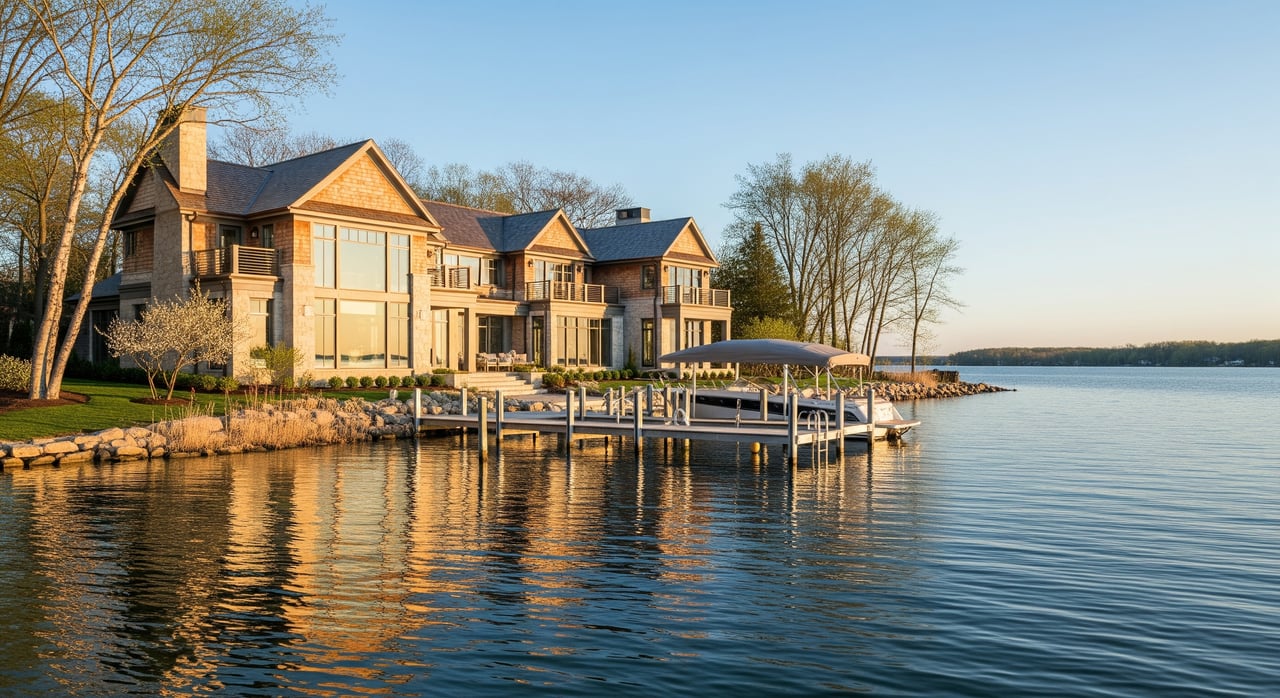
Dreaming about a place on Spring Lake where you can spend long weekends on the water and summers with family? If you are considering a second home, getting the mortgage details right early can be the difference between landing your retreat before summer or missing your moment. You want clear answers on how lenders view second homes, what down payment and reserves you will need, and how to time financing with the spring listing surge. This guide breaks down the essentials and adds Spring Lake specifics so you can move with confidence. Let’s dive in.
Second home vs investment property
Understanding how lenders classify your purchase drives everything from rates to reserves.
How lenders classify your purchase
A second home is a property you intend to occupy for part of the year, not as your primary residence. It should be suitable for year-round use and not primarily rented for income. An investment property is purchased mainly to generate rental income. Lenders view these as higher risk, which affects pricing, down payment, and reserve requirements.
Lenders often ask you to sign an occupancy statement or affidavit. If you plan to use the property for personal stays and do not market it as a rental, it typically qualifies as a second home under common conventional guidelines.
Short-term rentals and lender rules
If you plan frequent short-term rentals, many conventional lenders will treat the property as an investment. Some will decline second-home financing if short-term rental use is part of your plan. Disclose your intended use early and get written clarity from your lender so your loan type, pricing, and documentation align with your goals.
Year-round suitability and distance
Second-home financing usually requires a property that is habitable year-round. Seasonal cabins without proper heat, insulation, or winter access can be challenging and may require a portfolio loan. Some lenders also look at distance from your primary residence, though this is usually a soft factor used to confirm your occupancy intent.
Program options at a glance
- Conventional conforming loans recognize second homes with specific conditions.
- FHA, VA, and USDA programs are designed for primary residences, not true second homes.
- Jumbo and portfolio lenders can offer flexibility for unique properties or usage plans outside standard rules.
What lenders expect financially
You will see a range of requirements based on your credit profile, loan size, and how the property will be used.
Down payment and rates
- Second homes: typical down payments range from 10%-20% for conforming loans, depending on your qualifications.
- Investment properties: common ranges are 15%-25% for a 1-unit property, often higher for multi-unit.
- Jumbo loans: plan on 20%+ down, subject to lender standards.
Rates for second-home loans are usually a bit higher than primary residence rates but lower than investment property rates. Your credit score and loan-to-value ratio are major drivers of pricing.
Reserves and debt-to-income
Lenders often require cash reserves measured in months of PITI. For second homes, plan for 2-6 months of reserves. Investment properties commonly require 6 months or more per property. Reserve rules can vary by lender and how assets are counted.
Your second-home mortgage payment will be included in your debt-to-income ratio. If you plan to rent the property, underwriters use conservative approaches to any rental income and may require signed leases and documentation before counting it.
Source of funds and gifts
Acceptable down payment sources often include your liquid savings, proceeds from the sale of another property, and gift funds with proper documentation. Expect to provide clear bank statements and a gift letter if family funds are part of your plan.
Documents to gather early
Getting fully preapproved speeds everything up once you find the right house.
Your standard mortgage packet
- Government-issued photo ID and Social Security number
- Last 2 years of W-2s and/or 1099s, plus federal tax returns
- Recent pay stubs covering at least 30 days
- Bank and asset statements for the last 2-3 months, including retirement accounts if used for reserves
- Current mortgage statements and details on other debts
- A signed occupancy statement for second-home classification
- If using a gift, a gift letter and donor account documentation
Property items common for Spring Lake homes
- Appraisal: waterfront and near-water properties often need specialized comparables. Scheduling can take longer in seasonal markets.
- Flood zone determination: if the home is in a Special Flood Hazard Area, lenders require flood insurance. Even outside those zones, some servicers may still require coverage based on risk.
- Insurance quotes: hazard insurance is required at closing. Waterfront locations can carry higher premiums and may need separate wind, hail, or flood policies.
- Well and septic: many homes around Spring Lake rely on private systems. Expect inspection or certification of function and capacity.
- Utilities and year-round access: to meet second-home criteria, confirm heat, insulation, and winter road access.
- HOA and local rules: some associations and municipalities restrict short-term rentals. Lenders may request documentation because rental rules can affect value and loan classification.
If you plan any rental use
If you want lenders to consider rental income for qualification, be ready with signed leases, management agreements, and prior tax returns showing rental income. Lenders apply vacancy and expense factors and may exclude projected income without robust documentation.
Timing your purchase with the spring surge
Spring Lake and nearby Grand Haven usually see more listings and buyer activity from late winter through spring. Planning ahead helps you compete.
Preapproval timing
A strong preapproval can be issued in minutes to a few days once your lender verifies documents. Go beyond a simple prequalification. A documented preapproval letter gives sellers more confidence in your offer.
From contract to closing
Standard conventional loans often take 30-45 days from contract to close. Appraisals can take 1-3 weeks, sometimes longer in busy seasons. Title, survey, and HOA review can add 1-2 weeks depending on local workloads. If you want keys before summer, begin lender conversations 60-90 days before your target closing.
Strategies for competitive offers
- Get a fully documented preapproval before you shop.
- Prepare proof of funds for earnest money and down payment.
- Use tighter inspection and financing timelines carefully. Shorter contingencies can help you win but add risk.
- Coordinate closely with your agent on timing and expectations.
Bridge, HELOC, or sale contingency
- Bridge loans: allow you to buy before selling but come with added cost and qualifying hurdles.
- HELOC or cash-out refinance: set these up before you buy if you plan to tap equity in your primary home.
- Sale contingency: protects you if you must sell first but is often less competitive in multiple-offer situations.
Local risks to consider in Spring Lake
Flooding and shoreline changes
Properties near Lake Michigan and inland lakes can sit in or near FEMA flood zones. Lenders will require flood insurance in Special Flood Hazard Areas. Erosion, dune protection, and local shoreline rules can affect usable land and maintenance planning, which in turn can influence appraisal and underwriting.
Septic, well, and seasonal systems
Private septic and well systems are common. Expect inspection or certification needs and be prepared to budget for updates, especially on older systems. Some lake homes have seasonal features or winterization needs. If the home is not suitable for year-round occupancy, conventional second-home options may be limited.
Zoning and rental regulations
Short-term rental rules around lakeshore communities are evolving. If occasional rental income is part of your plan, verify municipal and HOA guidelines early. Lenders consider legal restrictions when classifying the property.
Appraisal complexity on the water
Waterfront comparables can be limited and vary widely in value. Choose a lender and appraiser with experience in Spring Lake and Grand Haven. Accurate comps help support value and keep your timeline on track.
Quick buyer checklist
- Get a document-verified preapproval.
- Gather 2 years of tax returns, 30 days of pay stubs, and 2-3 months of bank statements.
- Map out down payment, closing costs, and reserve funds.
- Confirm intended use with your lender and get clarity on second-home vs investment classification.
- Order appraisal and flood determination promptly once under contract.
- Budget for hazard and flood insurance where applicable.
- Arrange well and septic inspections and review HOA or local rental rules.
- Start the process 60-90 days before your preferred spring closing.
Work with a local guide who knows the water
Buying a second home on Spring Lake is part lifestyle, part logistics. You will juggle lender requirements, insurance questions, inspections, and a competitive spring market. A local advocate who understands shoreline issues, rental rules, and appraisal dynamics can make the process smoother and help you buy with confidence. With deep experience across West Michigan’s lakeshore corridor and a concierge approach for out-of-area and second-home buyers, you get calm, clear guidance from first call to closing.
Whether you are eyeing a quiet cove near Grand Haven or a home with quick access to Lake Michigan, align your financing early, assemble your documents, and position your offer to win when the right property hits the market.
Ready to make a Spring Lake retreat your reality this year? Reach out to Suzanne Bladek to map your financing game plan, coordinate property-specific due diligence, and move decisively when the perfect home appears. Contact Capt'n Sue for a private consultation.
FAQs
What is the minimum down payment for a Spring Lake second home?
- Many conventional second-home loans allow 10%-20% down, depending on your credit, reserves, and loan size. Some lenders or jumbo loans may require 20% or more.
Can I use Airbnb and still get a second-home loan?
- If short-term rentals are frequent or primary, many lenders classify the property as an investment, not a second home. Disclose your plan early and get written guidance from your lender.
Are FHA or VA loans available for second homes in Spring Lake?
- FHA, VA, and USDA loans are intended for primary residences. Second-home buyers typically use conventional, jumbo, or portfolio loans.
How long does closing take for a second-home mortgage?
- Plan for 30-45 days from contract to closing for a standard conventional loan, with appraisals often 1-3 weeks. Timelines can stretch during the spring surge.
Will I need flood insurance near Spring Lake?
- If the property is in a FEMA Special Flood Hazard Area, lenders require flood insurance. Even outside those zones, some servicers may still require coverage based on risk.
What documents help me get preapproved faster?
- Have your ID, Social Security number, 2 years of W-2s or 1099s and tax returns, 30 days of pay stubs, and 2-3 months of asset statements ready, plus a signed occupancy statement for second-home classification.